The commercial real estate (CRE) market, traditionally a pillar of economic stability, has been hit hard by changing work patterns, economic uncertainty, and rising interest rates. As businesses embrace remote and hybrid work models, office spaces sit vacant, and the retail sector faces ongoing pressure from e-commerce. These changes have created significant disruption in the CRE market, leading to reduced asset values and increasing concerns for developers, investors, and lenders alike.
Amid this turmoil, family offices are emerging as a potential savior for the struggling sector. With their substantial pools of capital and long-term investment outlooks, family offices are uniquely positioned to stabilize and even revitalize the CRE market. However, to truly make an impact, family offices will need to go beyond traditional real estate investments and embrace new financing models that respond to the evolving needs of the industry.
Why Family Offices are Positioned to Help the CRE Market
Unlike institutional investors or public companies, family offices operate with a high degree of flexibility. They often invest with a generational perspective rather than focusing on short-term returns. This allows them to take calculated risks and make strategic long-term investments that can help shore up a weakened market. Additionally, their private nature enables quick decision-making and the ability to execute creative financial strategies.
Here are several key reasons why family offices are well-suited to provide support to the CRE sector:
- Liquidity and Capital Reserves: Family offices tend to have significant liquidity and capital reserves that allow them to invest at times when traditional investors are pulling back. As institutional investors reduce exposure to CRE, family offices can step in to fill the void, purchasing distressed assets at a discount and stabilizing the market.
- Long-Term Investment Horizon: Many family offices are focused on preserving and growing wealth for future generations. This long-term approach aligns well with the timeframes needed to redevelop, reposition, and improve commercial properties that may take years to realize their full value.
- Risk Appetite: Family offices often have a higher tolerance for risk than more regulated investment vehicles. This enables them to make opportunistic purchases in distressed sectors of the CRE market, like retail, hospitality, and office spaces, where traditional institutional investors may be more hesitant to venture.
- Ability to Pivot Quickly: With fewer bureaucratic hurdles, family offices can quickly adapt their strategies to meet the demands of a changing CRE market. This flexibility is critical in a time when rapid change is the norm, and new investment opportunities arise unexpectedly.
The Need for New Forms of CRE Financing
While family offices are well-positioned to inject capital into the market, traditional financing structures may not be sufficient to meet the challenges facing the modern CRE landscape. New forms of financing will need to be developed to ensure that CRE assets are not only funded but also made more adaptable to changing market conditions.
Here are a few innovative financing models family offices can spearhead to support the CRE sector:
- Hybrid Equity-Debt Financing Models: Given the uncertainties surrounding future demand for certain types of commercial properties, family offices can implement hybrid financing models that combine equity and debt. These structures would give property developers and owners more flexibility in managing cash flows while allowing family offices to share in the upside potential of recovering markets. For instance, structured deals that allow for debt repayment to convert into equity if specific performance targets are met can align interests and reduce risk.
- Green Financing for Sustainable Development: As environmental concerns rise, family offices can capitalize on the shift towards sustainable development by funding green projects and energy-efficient buildings. Providing low-interest loans or green bonds tied to specific environmental outcomes could not only create a market advantage for developers but also help meet growing demand for eco-friendly properties.
- Joint Ventures with Distressed Developers: Many developers are facing financial strain due to project delays, rising material costs, and reduced occupancy rates. Family offices can partner with these developers through joint ventures or equity financing, allowing them to maintain ownership while providing much-needed liquidity. By offering these tailored financial solutions, family offices can share in the future profitability of the development while stabilizing their investment.
- Crowdfunding Platforms and Tokenization: Family offices can explore the use of blockchain technology to tokenize real estate assets, allowing fractional ownership and raising capital from a broader pool of investors. By democratizing access to CRE investment, these family offices can inject liquidity into the market and spread risk while enabling smaller investors to participate in high-value commercial assets. Crowdfunding platforms can also provide a way for family offices to co-invest with like-minded individuals or entities in targeted properties.
- Mezzanine Financing for Distressed Assets: With many CRE assets facing foreclosure or distress, mezzanine financing can provide an intermediate level of funding, sitting between senior debt and equity. Family offices can offer mezzanine loans with flexible terms, helping developers bridge financing gaps without taking on high-interest loans that could lead to further financial strain.
Strategic Asset Repositioning: Breathing New Life into CRE
Beyond financing, family offices can play a critical role in asset repositioning, where underperforming CRE assets are transformed to meet new market demands. This could involve:
- Converting Office Spaces into Mixed-Use Developments: Many office buildings, especially in urban areas, are underutilized. Family offices can lead the charge in transforming these spaces into mixed-use developments that combine residential, retail, and office units to meet evolving demand.
- Repurposing Retail Spaces for Industrial Use: As e-commerce continues to rise, the demand for logistics and warehousing space grows. Family offices can repurpose struggling retail spaces, such as large malls, into industrial hubs or distribution centers, thus revitalizing these areas while addressing market needs.
- Investing in Affordable Housing: Given the housing shortages in many regions, family offices can invest in converting distressed commercial assets into affordable housing units. This not only addresses a social need but also creates stable, long-term cash flows from rental income.
The Path Forward: A Leading Role for Family Offices
As the CRE market grapples with unprecedented challenges, family offices have a unique opportunity to step in as key players. By deploying capital creatively, providing new financing solutions, and taking a long-term approach to asset management, family offices can help stabilize and revitalize the CRE sector. In doing so, they can not only protect their own investments but also play a pivotal role in shaping the future of commercial real estate.
While the road ahead may be uncertain, the ability of family offices to think beyond the conventional and leverage their financial strength will be essential to driving meaningful recovery in the CRE market. Let’s find some investors and change the Planet for the greater good of all mankind.
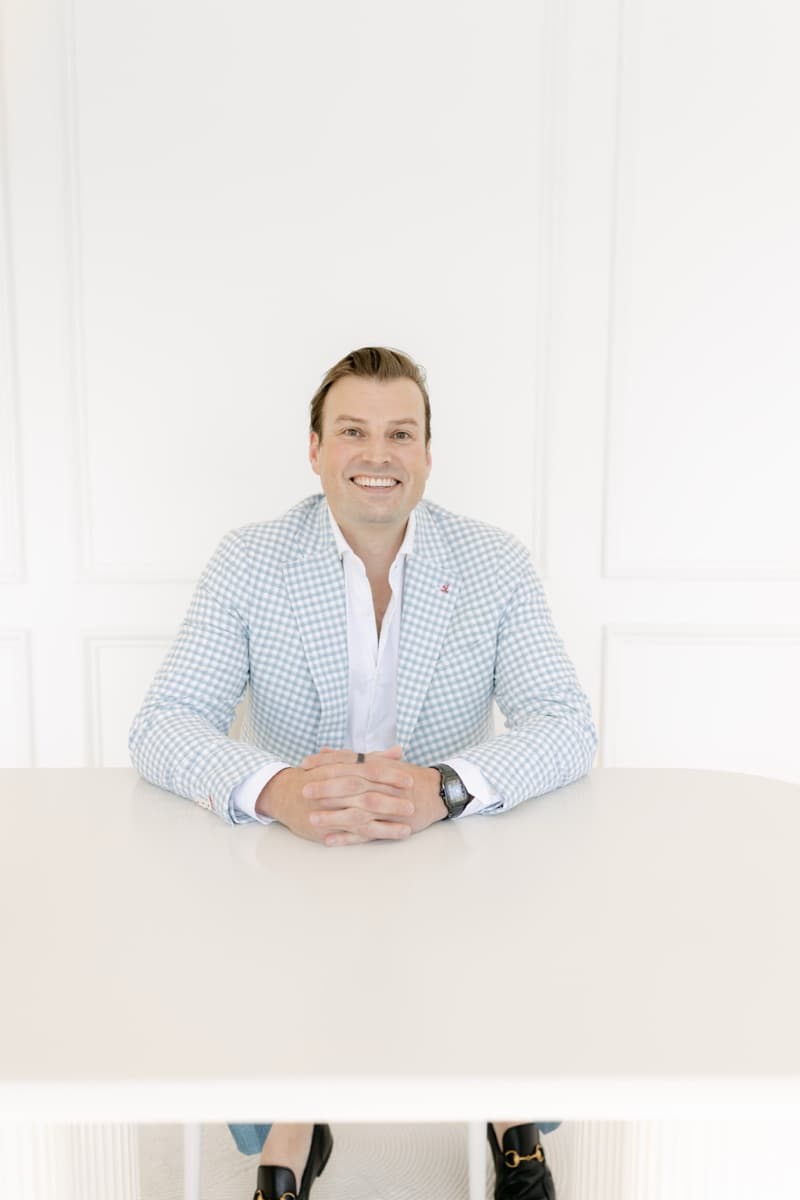
David R. Bizousky
Need Business Funding?
Slate Financial matches you with the best funding options. Apply in minutes with no credit impact.
Apply Now - FreeTags
RoadToFirstMillion
Founder & CEO, Slate Financial
David R. Bizousky is a financial services entrepreneur and the founder of Slate Financial, a leading alternative lending platform that has funded over $2.5 billion for 10,000+ businesses across all 50 states.